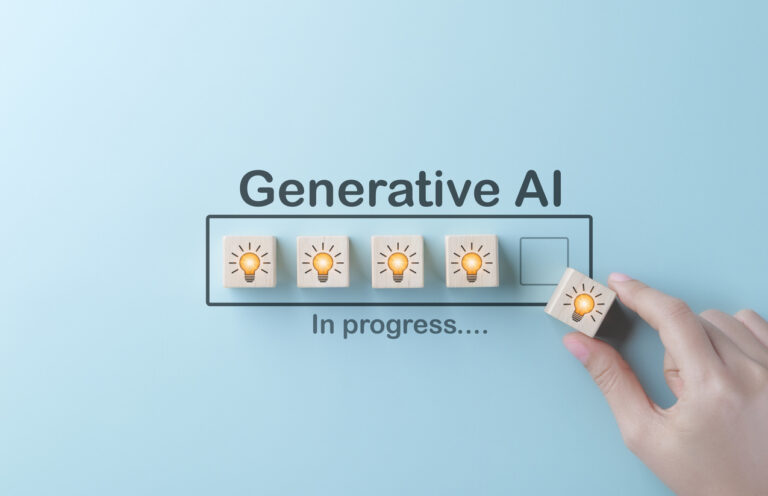


Why Generative Engine Optimization Is Redefining Visibility in the AI Era

Generative Engine Optimization in the AI Landscape

Search is no longer just about ranking on page one. As AI systems generate answers directly within search interfaces, visibility now depends on whether your brand is recognized as a trusted source. This shift has brought generative engine optimization into the spotlight as a critical strategy for modern marketers.

Instead of optimizing solely for traditional algorithms, businesses must now ensure their content is clear, credible, and structured in ways that AI can interpret and reference. The brands that adapt will not only maintain relevance but expand their digital influence.

How Generative AI Is Reshaping Search Behavior

Generative AI has transformed the user experience. People are asking conversational questions and receiving synthesized responses rather than scrolling through multiple links.

This means AI systems evaluate context, depth, and authority before presenting an answer. Shallow content that relies on keyword repetition is less likely to surface. Comprehensive explanations, clear structure, and consistent messaging are becoming more important than ever.

Understanding how Generative AI processes and prioritizes information is the first step toward improving AI search optimization.

Moving Beyond Traditional SEO Toward AI Search Optimization

Traditional SEO remains foundational, but it is no longer enough on its own. AI search optimization focuses on making your content easy for AI systems to understand and summarize.

That requires strategic formatting, semantic clarity, and interconnected content ecosystems. Pages should not exist in isolation. Instead, they should support broader topic clusters that reinforce expertise.

When content clearly demonstrates authority across related themes, AI systems are more likely to reference it in generated answers.

What Generative Engine Optimization Really Involves

Generative engine optimization is about building trust signals that AI systems can recognize. It includes detailed content development, structured headings, relevant FAQs, and context-rich explanations.

Rather than chasing individual keywords, the focus shifts to covering topics thoroughly. This approach strengthens credibility and improves the likelihood of appearing in AI-generated responses.

It also requires ongoing refinement. As AI models evolve, content strategies must adapt accordingly.

GEO for Small Businesses Competing in AI Search

GEO for small businesses offers a unique opportunity. While large brands may have greater resources, smaller companies often possess deeper local knowledge and niche expertise.

AI systems value relevance and clarity. A well-structured, informative page from a small business can outperform generic content from larger competitors.

By emphasizing authentic insights, customer-focused explanations, and consistent branding, small businesses can gain significant AI visibility.

Structuring Content for AI Interpretation

Content structure plays a crucial role in generative engine optimization. AI models rely on clear headings and logical organization to extract meaning accurately.

Short paragraphs, descriptive subheads, and contextual examples enhance readability for both humans and machines. Incorporating direct answers to common questions improves the chances of being cited within AI summaries.

Clarity is not just a stylistic choice. It is a visibility strategy.

The Generative Engine Optimization Future of Digital Marketing

The generative engine optimization future of digital marketing centers on adaptability and authority. As AI becomes more integrated into everyday search experiences, brands must think beyond rankings.

Visibility will increasingly depend on how well content aligns with user intent and how consistently expertise is demonstrated across digital channels.

Investing in comprehensive topic coverage and data-driven refinement ensures that your brand remains competitive in evolving AI landscapes.

Measuring AI Visibility Effectively

Success in AI search optimization cannot be measured solely by clicks. Instead, marketers should monitor engagement depth, branded queries, and topic coverage.

Tracking how content performs across conversational queries provides insight into AI recognition. Continuous analysis allows for timely adjustments and improved positioning.

Visibility in AI environments is cumulative. Each optimized piece strengthens overall authority.

How Ntooitive Helps Brands Strengthen AI Presence

Navigating AI-driven search requires more than basic optimization. Ntooitive supports businesses by aligning structured content strategies, technical enhancements, and data insights into a cohesive GEO framework.

Rather than focusing only on short-term gains, the emphasis is on building sustainable authority that AI systems consistently recognize. This approach positions brands for long-term growth in an increasingly AI-centered digital landscape.

Preparing for the Next Phase of AI Search

AI-driven discovery will continue evolving. Brands that commit to clarity, consistency, and depth will maintain a competitive edge.

Adapting early ensures your content remains visible as AI interfaces expand across devices and platforms.

Generative engine optimization is not a passing trend. It represents a fundamental shift in how visibility is earned in the modern AI landscape.

If you want to strengthen your AI search optimization strategy and position your brand for long-term success, now is the time to act. Partnering with experts like Ntooitive can help you build a future-ready digital marketing approach that drives authority, relevance, and measurable growth.

Yielding progressive results with
agile methodology

  • Audit Analysis
    and Discovery
    1 - 2 weeks
  • Proposal
    of Strategy
    1 - 2 weeks
  • Onboarding and
    Implementation
    4 weeks onwards
  • Testing and
    Proof of Concept
    1-3 weeks
  • Launch
    Pre-Go Live Test
    2 weeks
  • Analyze and Optimize
    Ongoing

Take the next step