

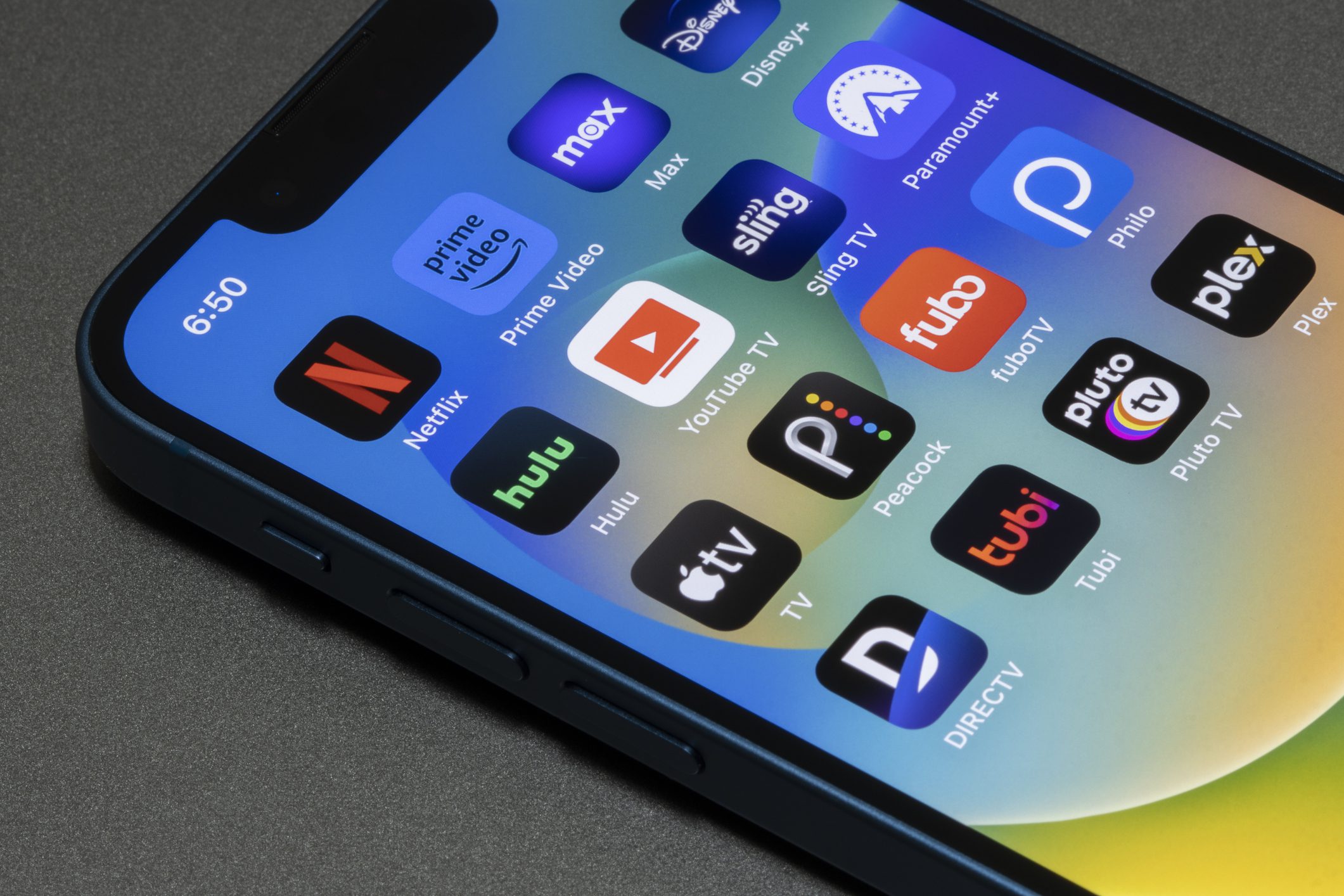
Marketing continues to evolve alongside technology and changing consumer habits. One of the biggest shifts in recent years is how audiences watch content. Traditional television is no longer the only way people consume media. Streaming platforms, smart TVs, and mobile apps have transformed viewing behavior—and advertising strategies along with it.
This is where OTT advertising comes into play. Understanding what OTT stands for and how it works is essential for businesses looking to connect with modern audiences through digital channels.
What Does OTT Mean in Marketing?
OTT stands for “Over-The-Top.” In marketing, it refers to delivering video content and advertisements directly over the internet rather than through traditional cable or satellite television.
OTT platforms include streaming services that allow viewers to watch movies, TV shows, and live programming on internet-connected devices such as:
- Smart TVs
- Streaming sticks and media boxes
- Mobile phones and tablets
- Laptops and desktops
Because these platforms operate outside traditional broadcasting infrastructure, they offer unique opportunities for advertisers.
In simple terms, OTT advertising allows brands to place targeted video ads within streaming content that audiences actively choose to watch.
Why OTT Advertising Has Become So Popular
Consumers increasingly prefer streaming platforms because they provide flexibility and on-demand access to entertainment. This shift has created new marketing opportunities.
Key Advantages of OTT Advertising
Businesses are turning to OTT advertising because it offers:
- Precise audience targeting based on data
- Higher viewer attention compared to traditional TV
- Measurable campaign performance
- The ability to reach cord-cutting audiences
These benefits make OTT digital marketing an appealing option for brands aiming to increase engagement and visibility.
How OTT Advertising Works
OTT advertising operates differently from traditional television commercials.
Instead of broadcasting ads to broad audiences, OTT platforms use data to show ads to specific viewer segments. This allows advertisers to tailor campaigns based on demographics, interests, or location.
For example, a campaign may target:
- Sports fans watching live events
- Families streaming animated content
- Professionals watching business programming
This precision helps businesses achieve stronger OTT engagement compared to traditional mass advertising.
The Role of OTT Digital Marketing in Modern Campaigns
OTT digital marketing has become a key component of integrated marketing strategies. Rather than replacing other channels, it complements them.
Businesses often combine OTT campaigns with:
- Social media advertising
- Search marketing
- Email campaigns
- Website retargeting
This multi-channel approach reinforces messaging across different touchpoints, improving brand recognition and conversion rates.
When used strategically, OTT advertising becomes an important piece of a larger digital marketing ecosystem.
OTT Performance Marketing: Measuring Results
One major advantage of OTT performance marketing is the ability to track results in detail.
Advertisers can analyze:
- Video completion rates
- Audience demographics
- Engagement patterns
- Conversion metrics
These insights allow marketers to refine campaigns and optimize targeting.
Unlike traditional TV advertising, which relies on broad audience estimates, OTT campaigns provide real-time analytics that guide smarter decisions.
Building a Successful OTT Marketing Strategy
Launching a successful OTT marketing strategy requires more than simply placing ads on streaming platforms.
Businesses should focus on:
Audience Research
Understanding your target audience helps ensure that ads appear in the right context.
High-Quality Video Content
OTT audiences expect engaging, professional video content that blends naturally with the streaming experience.
Strategic Placement
Choosing the right platforms and content categories ensures that your message reaches relevant viewers.
Continuous Optimization
Monitoring performance metrics allows advertisers to adjust campaigns and maximize ROI.
This structured approach helps brands stay competitive as OTT advertising trends continue to evolve.
Emerging OTT Advertising Trends
The streaming landscape continues to expand, creating new opportunities for marketers.
Some of the most notable OTT advertising trends include:
- Interactive video ads that encourage viewer participation
- Personalized advertising based on viewing behavior
- Integration with programmatic advertising platforms
- AI-powered audience targeting
These innovations make OTT performance marketing even more effective by delivering highly relevant messages to the right audiences.
Using Data and AI to Improve OTT Engagement
Artificial intelligence plays an important role in refining OTT campaigns.
AI tools help marketers:
- Analyze viewing patterns and audience preferences
- Predict which ad formats will perform best
- Optimize ad frequency and placement
- Identify high-value customer segments
While AI can generate insights quickly, human marketers should always review campaign strategies to ensure they align with brand goals and audience expectations.
Combining AI-driven insights with creative storytelling results in stronger viewer engagement.
How Ntooitive Helps Brands Succeed with OTT Advertising
Navigating the fast-growing world of OTT digital marketing can be challenging for businesses that are new to streaming campaigns. Ntooitive helps companies design effective strategies that combine data-driven targeting, creative storytelling, and performance analysis.
By aligning campaigns with emerging OTT advertising trends and audience insights, businesses can maximize visibility and engagement across streaming platforms.
Frequently Asked Questions
What does OTT stand for in marketing?
OTT stands for “Over-The-Top,” referring to video content delivered through internet streaming rather than traditional television broadcasting.
How is OTT advertising different from traditional TV ads?
OTT advertising uses audience data to deliver targeted video ads, while traditional TV ads reach broad audiences without detailed targeting.
Why is OTT digital marketing important?
It helps brands reach audiences who primarily watch streaming content instead of cable or broadcast TV.
What is OTT performance marketing?
OTT performance marketing focuses on measurable campaign outcomes, including engagement, conversions, and audience reach.
Can small businesses use OTT advertising?
Yes. With the right strategy, businesses of all sizes can leverage OTT campaigns to reach targeted audiences.
Streaming technology has fundamentally changed how people consume entertainment—and how brands communicate with audiences. Understanding what OTT stands for in marketing is the first step toward leveraging this powerful channel.
With the right OTT marketing strategy, businesses can reach viewers where they spend most of their time: on streaming platforms. By combining high-quality content, precise targeting, and data-driven insights, companies can improve engagement and build stronger relationships with their audiences.


