

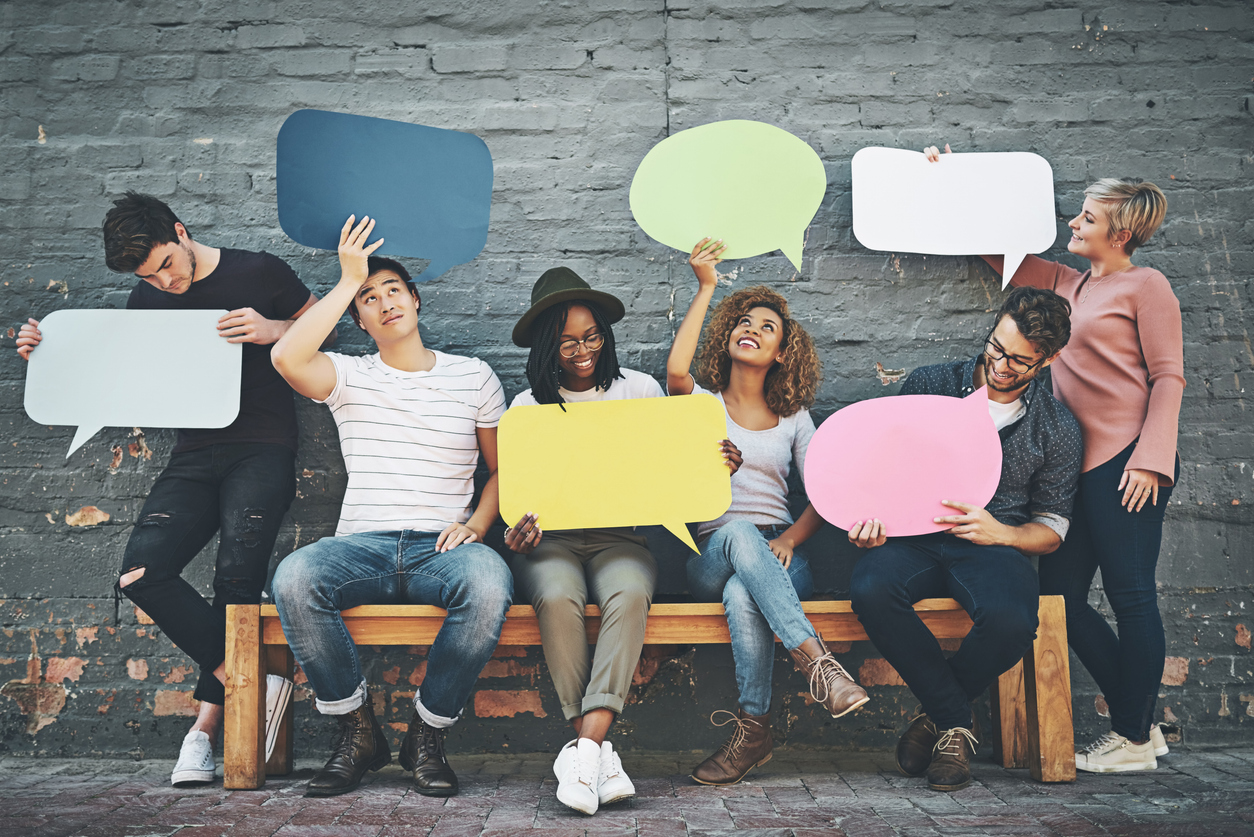
Multicultural audiences are no longer a niche consideration in media strategy. They are the audience. In the United States, multicultural consumers now represent the majority of growth across virtually every major spending category, and their media habits, cultural affiliations, and advertising preferences have become the defining force shaping how brands need to show up across digital channels. Multicultural marketing is not a separate strategy running alongside your main campaign — it is the main campaign.
This article maps the most significant multicultural marketing trends heading into: how Gen Z cultural values are reshaping brand strategy, which ad formats actually work with multicultural audiences, and where audio, OTT, and programmatic display fit into a modern, culturally intelligent media mix. For the foundational Gen Z context, see our piece on How Gen Z Is Redefining Multicultural Marketing Expectations.
How Gen Z Cultural Values Are Reshaping Brand Marketing Strategies
Gen Z is the most culturally diverse and culturally attuned generation in American history. Born into a fragmented media landscape and a highly visible conversation about identity, representation, and authenticity, they evaluate brands through a lens that older demographic segments simply do not apply with the same intensity.
Several specific cultural values are reshaping how brands must approach marketing strategy:
- Authenticity over aspiration. Gen Z does not respond to aspirational advertising that projects an idealised lifestyle. They respond to brands that speak honestly about what they actually are, who they actually serve, and what they actually believe. Brands caught performing diversity or cultural relevance without genuine investment pay a real reputational price.
- Community over broadcast. Gen Z engages with brands that participate in their communities, not just advertise to them. This means showing up consistently in cultural spaces, supporting creators from within those communities, and creating content that feels like a natural extension of the conversation, not an interruption.
- Music and subculture as identity. For multicultural Gen Z audiences in particular, music genre alignment is one of the strongest brand affinity drivers available. Latin trap, Afrobeats, K-pop, reggaeton, and regional hip-hop are not just playlist genres — they are cultural identifiers. Brands that understand this and invest accordingly earn affinity that is extremely difficult to replicate through traditional brand advertising.
- Bilingual is the default. A significant share of multicultural Gen Z consumers are bilingual, code-switching fluidly between English and Spanish (or other languages) across different contexts. Campaigns that address this reality — rather than defaulting to English-only or producing a translated afterthought — perform measurably better in recall, engagement, and brand perception.
Best-Performing Ad Formats for Gen Z
The channel landscape for reaching multicultural Gen Z audiences has become substantially more complex, and format selection has a disproportionate impact on whether a campaign lands or gets scrolled past. These are the formats with the clearest performance signal:
Short-Form Social Video
Short-form video remains the dominant consumption format for Gen Z across all demographic segments. For multicultural audiences, the creative differentiation is critical: content must reflect authentic cultural context, use platform-native language and aesthetics, and avoid the polished-but-hollow look that Gen Z immediately categorises as brand cringe. Creator partnerships from within multicultural communities consistently outperform brand-produced content in engagement and recall.
Programmatic Display with Cultural Targeting
Programmatic display marketing has evolved well beyond basic demographic targeting. Today’s programmatic platforms allow for contextual, behavioural, and cultural signal targeting that can place brand messages alongside content that multicultural audiences are actually engaging with. For brands serious about multicultural marketing, programmatic display is not a low-cost mass-reach play — it is a precision tool that requires intentional cultural strategy to deploy effectively.
OTT and Connected TV
OTT advertising has become one of the most important channels in multicultural marketing for a straightforward reason: multicultural audiences over-index on streaming TV and under-index on traditional linear television. Connected TV allows brands to deliver culturally specific, language-targeted messaging to multicultural households at a scale and efficiency that broadcast television cannot match. Gen Z and younger Millennial multicultural consumers are particularly reachable through CTV, and the targeting precision available through programmatic OTT makes it possible to align placements with culturally resonant content environments.
The Rising Role of Audio in Multicultural Marketing
Audio has quietly become one of the highest-performing channels for reaching multicultural audiences. Programmatic audio advertising on streaming music platforms and podcast networks allows brands to deliver targeted, language-specific messaging at moments of high engagement and low distraction. Spotify’s data consistently shows that multicultural listeners over-index on streaming audio relative to the general population, and that audio advertising within culturally relevant music contexts produces significantly stronger brand recall than comparable display placements.
For Spanish-speaking audiences, audio advertising represents a particularly underutilised opportunity. The supply of Spanish-language audio inventory is growing, but advertiser demand has not kept pace — creating a cost-efficiency advantage for brands willing to invest in bilingual audio creative and programmatic audio strategy. The same pattern holds across other multicultural audio audiences, including Black music listeners, South Asian diaspora music fans, and Latin subculture communities.
Podcast advertising also deserves mention. Culturally specific podcasts — covering Black culture, Latino life, AAPI perspectives, immigrant experiences, and music subcultures — have built highly engaged, highly loyal audiences that are underserved by mainstream advertising. Host-read or integrated formats in these shows deliver authenticity signals that programmatic placements cannot replicate.
Multicultural Digital Marketing Strategies That Are Working Right Now
Beyond channel selection, the brands gaining the most ground with multicultural audiences share a set of strategic commitments that go beyond media buying:
- Investing in multilingual creative, not just translation. Translated content reads differently to bilingual audiences than content created natively in two languages. The brands leading multicultural digital marketing are developing original creative in Spanish, Mandarin, Portuguese, or whichever language their target community speaks — not simply adapting English-language assets.
- Aligning with cultural moments, not just calendar holidays. Multicultural marketing built around Cinco de Mayo or Black History Month signals tokenism to culturally attuned audiences. Year-round presence in the cultural conversations that matter to multicultural communities — music releases, community events, cultural milestones, and subculture movements — builds the sustained credibility that periodic campaigns cannot.
- Measuring cultural resonance, not just click-through rate. Standard digital marketing KPIs do not capture whether a campaign actually landed within a cultural community. Leading brands are supplementing standard metrics with brand sentiment analysis within multicultural communities, creator partnership performance, community engagement on cultural platforms, and bilingual search volume trends.
- Building multicultural creativity from the strategy stage. The biggest performance gap in multicultural digital marketing is between brands that build culturally intelligent campaigns from the first brief and brands that adapt a general campaign for multicultural audiences after the fact. The former consistently outperforms the latter across all channel types.
Why Ntooitive Is Built for This Moment in Multicultural Marketing
Most agencies apply a multicultural strategy as a layer on top of a general market campaign. Ntooitive is built the other way around. As a multichannel marketing agency with deep roots in data intelligence and culturally specific digital execution, Ntooitive brings together the programmatic infrastructure, cultural fluency, and media strategy expertise that brands need to compete meaningfully across multicultural audiences and beyond. From audio and OTT to programmatic display and social creative, Ntooitive engineers campaigns that are culturally specific at every layer — not just in the creative, but in the targeting, the placement, the measurement, and the optimization. For brands that are done with multicultural marketing as a checkbox and ready to treat it as a genuine growth driver, Ntooitive is the strategic partner that closes the gap between intent and results.
If you are evaluating how to invest in multicultural marketing, the time to build the infrastructure is now — before the cost of entry rises and the competitive advantage available to early movers narrows.
Connect with Ntooitive to start building a multicultural strategy that compounds over time. Explore the Ntooitive multicultural marketing hub or reach out directly to discuss what the right starting point looks like for your brand.
Frequently Asked Questions |
What are the most important multicultural marketing trends? |
The biggest trends are authenticity-first content, music and subculture integration, short-form video with cultural specificity, audio-led campaigns targeting bilingual audiences, and OTT/CTV placements that deliver culturally relevant messaging at scale. Brands that treat multicultural audiences as distinct communities — not demographic checkboxes — consistently outperform those using a one-size-fits-all approach. |
What ad formats perform best with Gen Z audiences? |
Short-form video (Reels, TikTok, YouTube Shorts), interactive audio, and culturally resonant OTT pre-roll perform strongest with Gen Z. The common thread is authenticity: Gen Z has a highly tuned radar for performative or inauthentic content. Formats that feel native to the platform and reflect real cultural moments — not polished corporate messaging — generate the highest engagement. |
How do music and culture shape Gen Z’s advertising preferences? |
Music is one of Gen Z’s primary identity signals, and cultural alignment in advertising carries more weight than price, celebrity, or product features for this cohort. Brands that consistently appear alongside the music, creators, and cultural conversations Gen Z actually cares about build affinity organically. Brands that attempt to borrow cultural credibility without genuine investment are quickly identified and rejected. |
What is the role of programmatic audio in multicultural marketing? |
Programmatic audio allows brands to deliver highly targeted, language-specific messaging directly to multicultural audiences on streaming platforms and podcasts. For Spanish-speaking and other non-English speaking audiences in particular, audio advertising on culturally relevant platforms produces significantly higher recall and engagement than display or video alternatives alone. |
How can OTT advertising support multicultural campaigns? |
OTT (over-the-top) advertising delivers brand messaging through streaming TV platforms, giving marketers precise audience targeting without the waste of traditional broadcast. For multicultural campaigns, OTT enables language targeting, cultural event alignment, and demographic precision that broadcast TV cannot offer — making it one of the most efficient channels for reaching multicultural audiences at scale. |
What should brands look for in a multicultural marketing agency? |
Look for an agency with demonstrated cultural fluency — not just demographic data, but actual community understanding. Key signals: a track record of campaigns that performed within multicultural communities (not just at them), multilingual creative capabilities, and the technical infrastructure to deploy campaigns across the digital channels multicultural audiences actually use, including audio, OTT, and programmatic display. |
How do multicultural digital marketing strategies differ from general digital marketing? |
Multicultural digital marketing requires channel selection, creative approach, language, and cultural context to be considered simultaneously — not as afterthoughts. A general digital campaign adapted for multicultural audiences rarely performs as well as one built with those communities in mind from the strategy stage. The most effective multicultural digital strategies integrate cultural insight into every layer: media buying, creative, copy, targeting, and measurement. |


